



Events
From Questions to Clarity: TERA’s One-Stop Consultation Hub for Medical AI Research
May 30, 2026
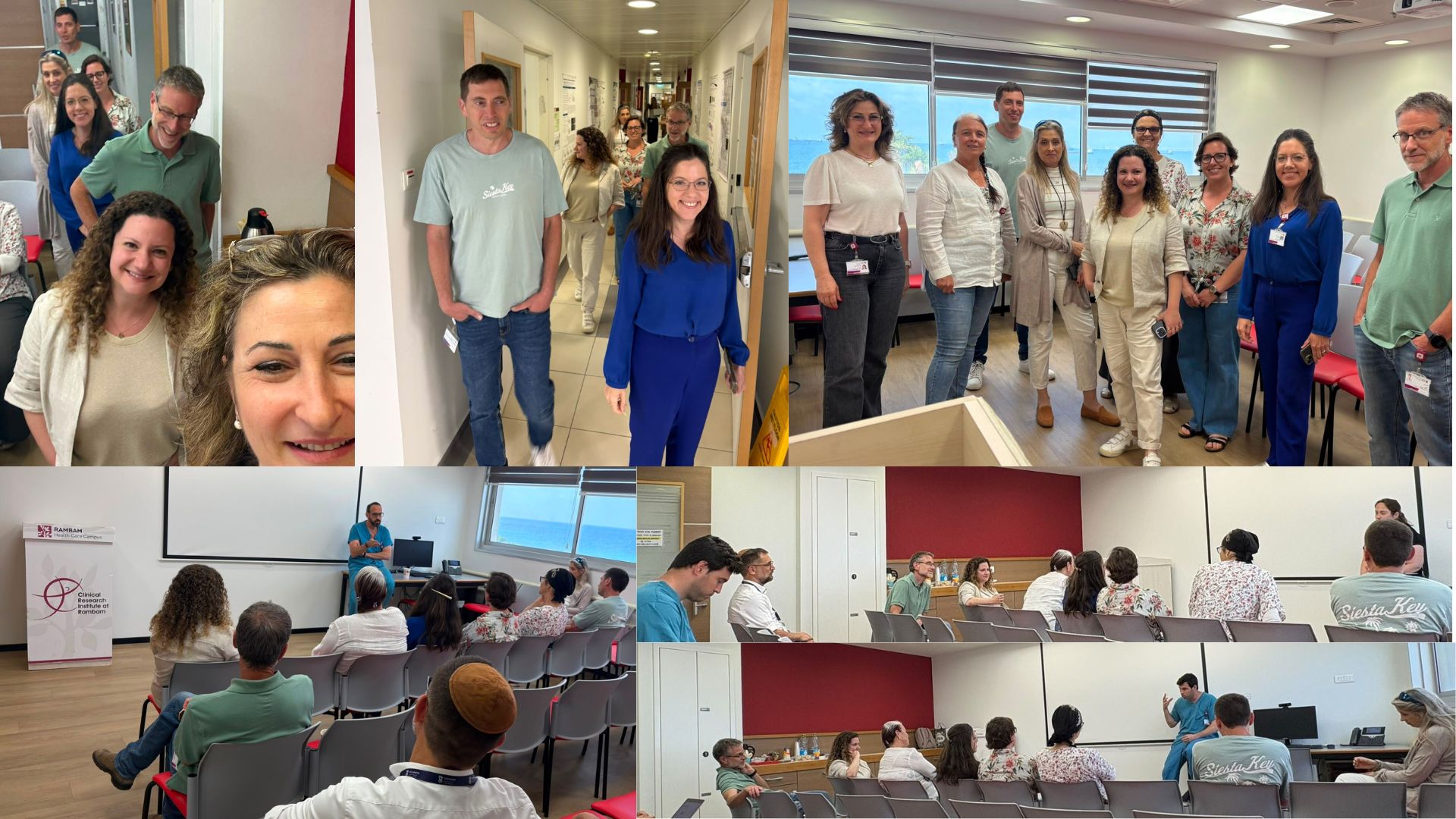
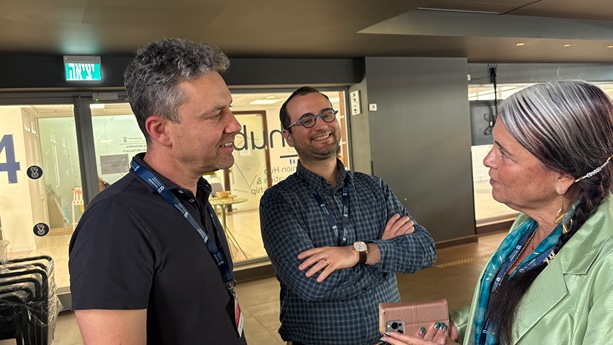
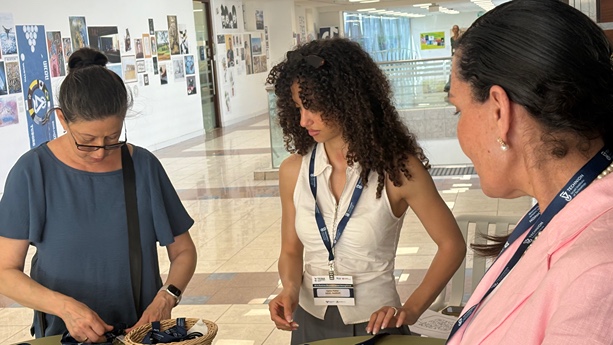
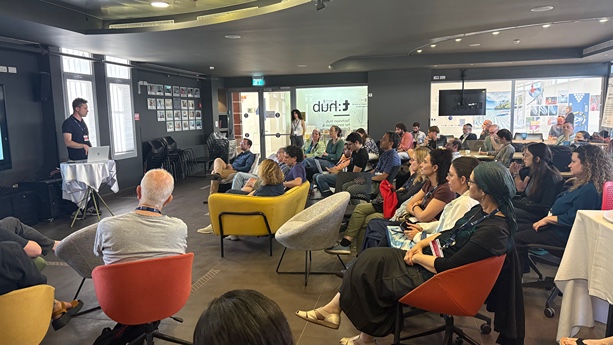
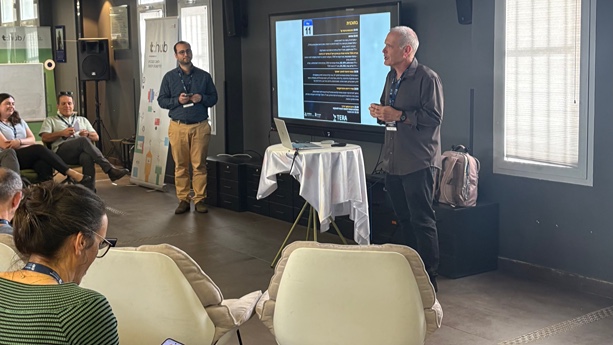
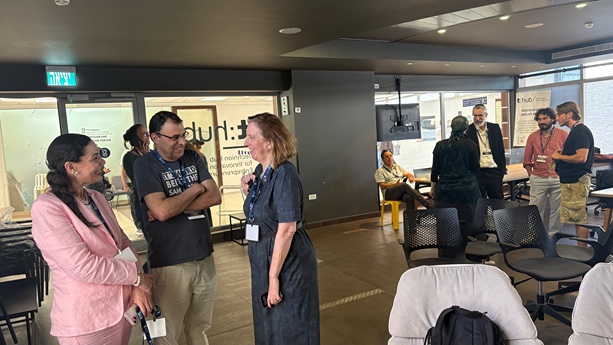
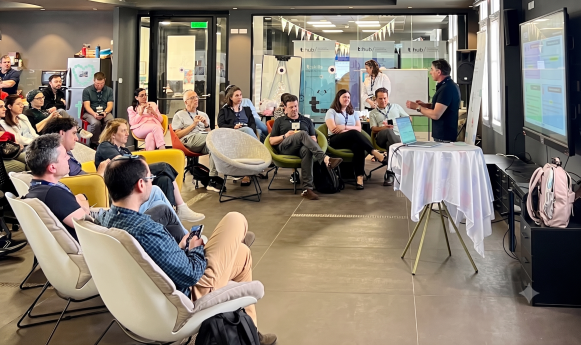
The consultation session brought Rambam and Technion researchers together with experts from Rambam’s Information, Computing, and Communications Division and the Epidemiology Unit and Biobank in a “one-stop shop” format, giving researchers direct access to guidance on data access, digital infrastructure, and regulatory and ethical considerations for medical AI projects. By connecting researchers with specialists in data science, biostatistics, and Helsinki committee review all in one room, TERA enabled participants to resolve bottlenecks in real time and leave with a clear roadmap for their next steps, reflecting the initiative’s broader mission of making specialized expertise accessible throughout the research process at Rambam and the Technion.
TERA AI- Speed Dating (opens in new tab)
May 11, 2026
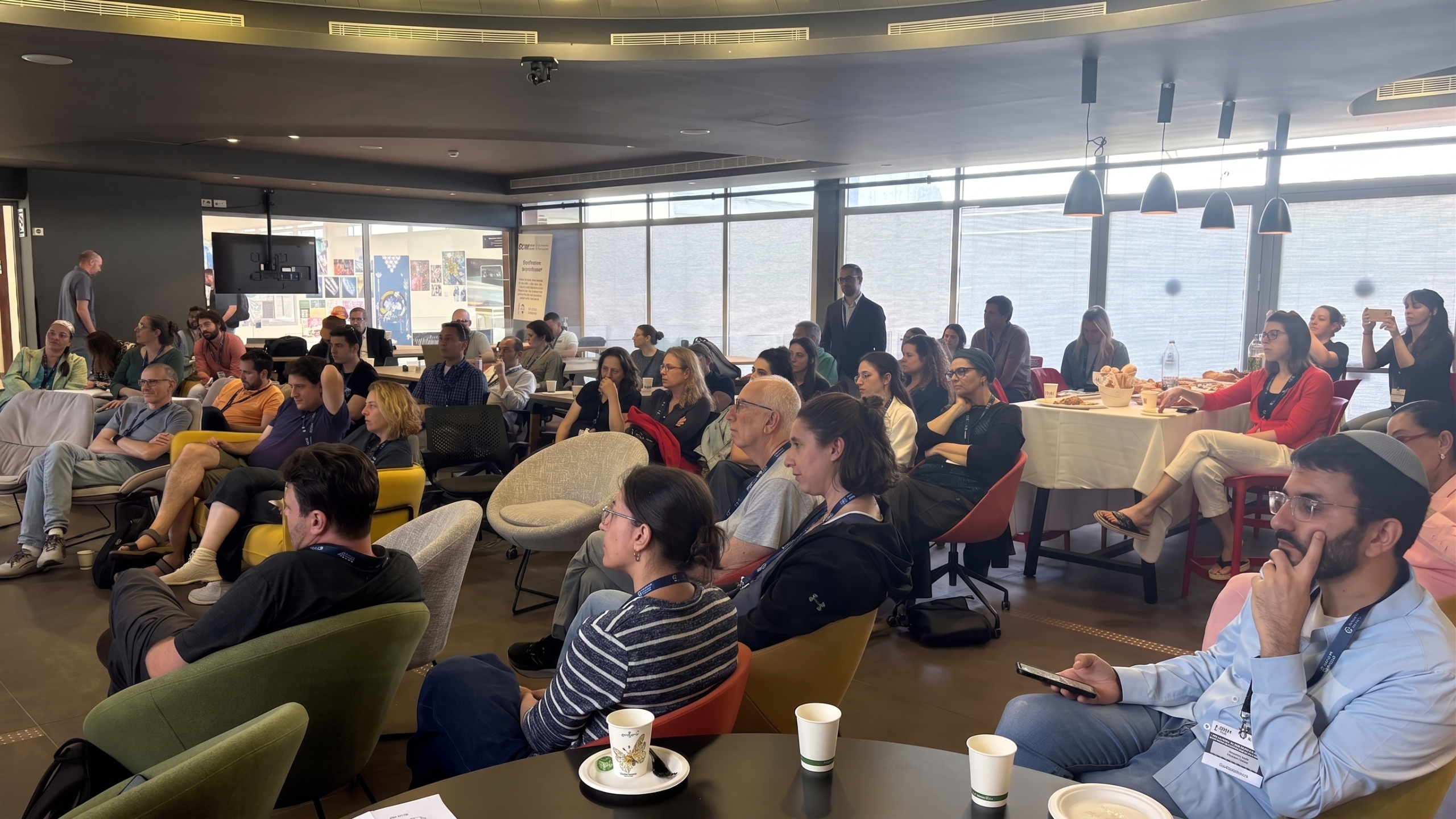
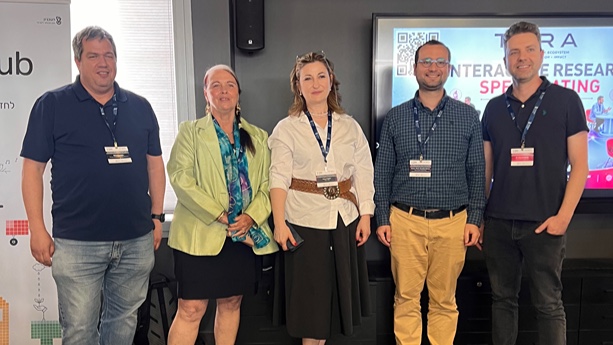
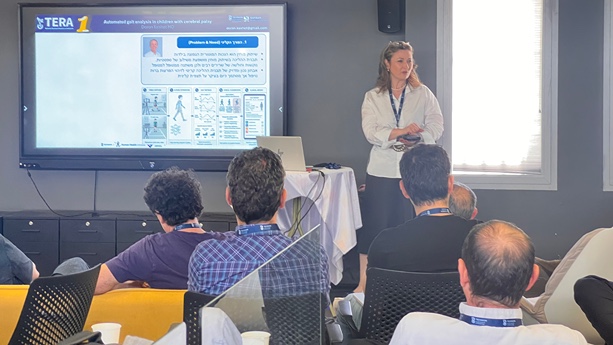
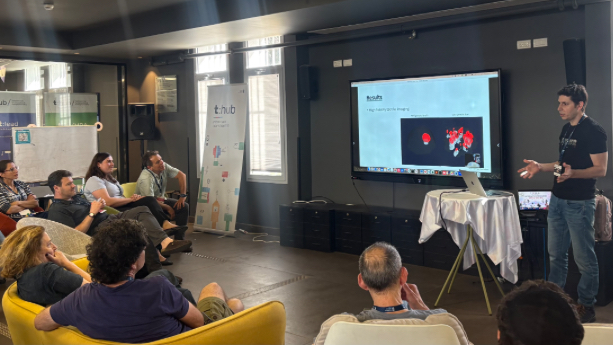
The event brought together Technion researchers and Rambam physicians in a matchmaking format designed to bridge real-world clinical needs with advanced AI research capabilities, spanning fields from women’s health and oncology to cardiology, neurosurgery, and pediatric rehabilitation. Pitches from roughly 20 Rambam physicians and 15 Technion researchers led to joint proposals for seed-funded collaborative grants, reflecting TERA’s growing infrastructure of nearly 30 joint research projects, 49 researchers and physicians, and 28 graduate students working at the intersection of engineering and clinical medicine at Rambam and the Technion.
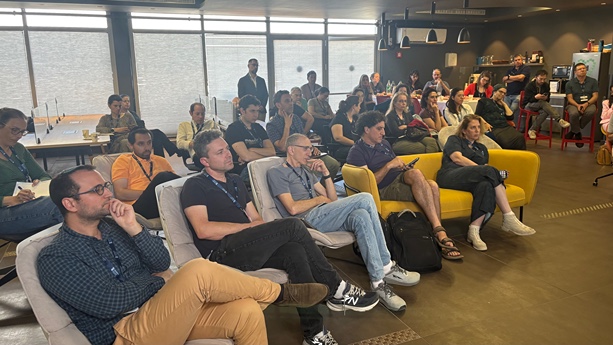
Connecting TERA & Faculty of Data and Decision Sciences at the Technion
March 12, 2026
The meeting introduced Rambam’s clinical research opportunities to researchers from the Technion’s Faculty of Data and Decision Sciences, exploring how data science and decision-making methodologies can address real unmet clinical needs. The discussion reflected TERA’s role as a bridge between clinicians and data-driven researchers, turning analytical thinking into projects with real impact on patient care at Rambam and the Technion.
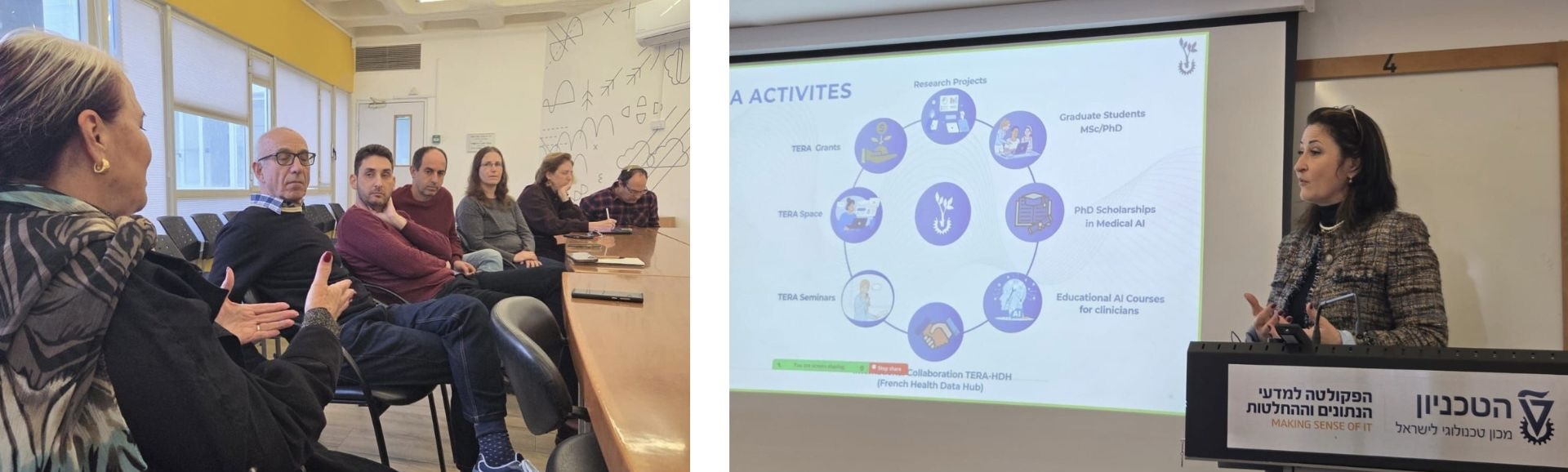
Medical AI Deployment (opens in new tab)
May 19, 2025
The seminar explored the deployment of AI in clinical diagnostics, highlighting how deep learning and natural language processing are being translated from research into real-world radiology workflows. Case studies in cardiac imaging and radiology report analysis illustrated how motion-robust modeling and structured text extraction were improving diagnostic accuracy and reducing reliance on invasive procedures, while two TERA-PhD awards recognized emerging research in focused ultrasound therapy and cardiac arrhythmia, underscoring the collaborative innovation driving medical AI at Rambam and the Technion.
Ethics in Medical AI (opens in new tab)
November 25, 2024
The seminar examined the ethical challenges of explainability in medical AI, highlighting concerns around opaque decision-making in high-stakes clinical settings. It discussed the implications of AI as a “black box” for accountability, responsibility, and patient autonomy, emphasizing the importance of addressing explainability as a core ethical requirement in healthcare AI.
TERA Research Projects (opens in new tab)
February 7, 2024
The session presented advanced AI applications in cardiovascular and critical care, including a robust deep learning model for atrial fibrillation detection across diverse populations, challenges in ICU monitor data collection, and a causal machine learning framework for treatment recommendations in acute heart failure. It also showcased projects developed at the TERA Hackathon, demonstrating AI-driven solutions for early infection risk detection and improved birth weight prediction.
Artificial Intelligence & Robotic surgery (opens in new tab)
August 6, 2023
The seminar explored innovation in medicine through close collaboration between clinicians, scientists, and engineers, highlighting the full innovation cycle from unmet clinical needs to technological solutions and regulatory approval. Case studies in cardiology and medical robotics illustrated how interdisciplinary research and algorithmic motion planning were advancing minimally invasive procedures and shaping the future of medical innovation at Rambam and the Technion.
Artificial Intelligence & Applications (opens in new tab)
May 13, 2023
The sessions highlighted the application of AI in healthcare, from building a clinician-first, machine learning–based platform for primary care to introducing a novel text-mining tool that enhanced medical diagnosis through large-scale, up-to-date analysis of biomedical literature.
Artificial Intelligence & Cardiology #2 (opens in new tab)
March 19, 2023
Advances in deep learning and the availability of large ECG datasets led to rapid growth in machine learning research for ECG analysis. The seminar critically examined common limitations in the literature, including label disagreement, noise, bias, and evaluation issues, and discussed strategies to address these challenges and identify promising directions for future research.